Case study · Fitness & Wellness
FytLounge
Extending a premium fitness business into a digital one.
Operating
Web · Membership Platform
Business operation, membership systems, digital expansion, customer journeys
The business
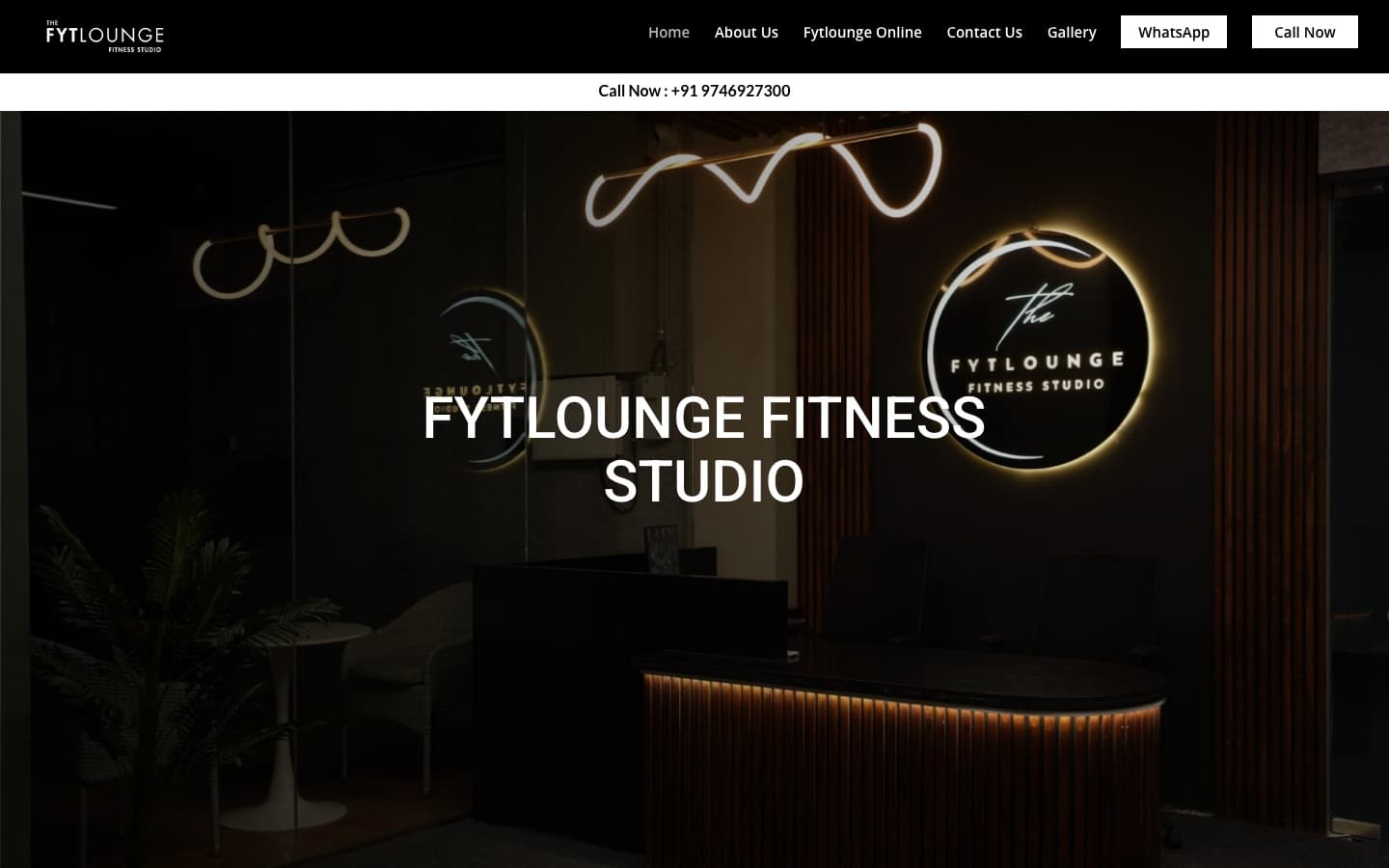
FytLounge is a premium fitness and wellness studio in Palakkad, Kerala, and it's a real business I operate directly, real members, real staff, real revenue and costs, real service delivered every day. It's built around training, personal training, online coaching, recovery and wellness facilities, an in-house café, and a sense of community, under a premium, limited-membership positioning rather than a high-volume gym model. I'm not describing this business from the outside as a design exercise. I run it, which means every product decision downstream, website, membership systems, digital tools, has to hold up against what actually happens on the floor.
Beyond a gym
Running FytLounge is not just a training schedule. It's staffing, coaches, front-of-house, café operations. It's sales, enquiries, trials, memberships, renewals. It's service delivery across multiple formats: strength training, personal coaching, online coaching, recovery sessions, café orders. Each of those is its own small operation with its own rhythm, and the limited-membership positioning means capacity and experience quality matter more than throughput. Operating all of this simultaneously, not just designing how it should look, is what separates this case study from a typical client website engagement.
Membership and enquiries
The customer journey here has two connected paths: getting a new enquiry to a membership decision, and giving an existing member a smooth day-to-day experience. Enquiry handling needed to be fast and personal rather than automated and generic, because the sale is built on trust in a premium, limited-capacity offering. Membership journeys needed to reflect that same premium feel digitally, from how the offering is presented on the website to how a prospective member gets a response. Designing these journeys as an operator, not a hired-in agency, meant every step could be tested against real enquiries.
The digital operating layer
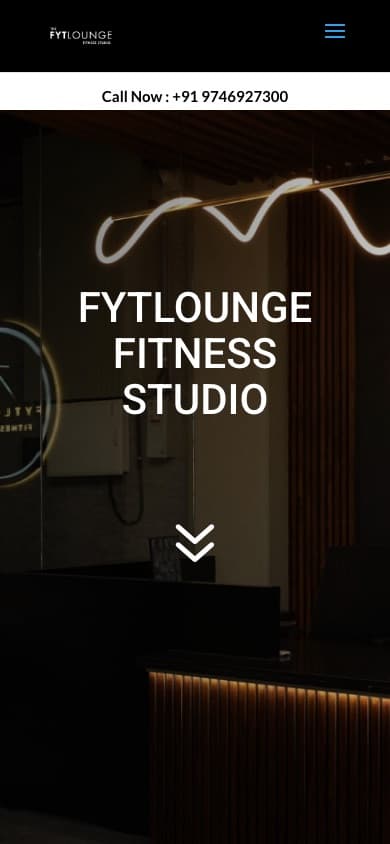
Beyond the brand and the website itself sits the layer that helps the business actually run: presenting the offering clearly, capturing and routing enquiries, and exploring additional commerce opportunities such as café delivery as an extension of the in-house café. The website and brand work is the visible part; the less visible part is making sure enquiries don't get lost, that the digital presentation matches the quality of the real studio, and that new commerce ideas like delivery are evaluated as real operational additions, not just features.
What running it teaches
Operating a real business changes how I build digital products. A feature isn't just a UI decision, it has to work for the staff running it and the member using it, on a day capacity is tight or a coach is out sick. Building websites and systems for other businesses is different when you've felt the cost of a slow enquiry response or a confusing booking step firsthand. That's the core lesson FytLounge gives this practice: product thinking has to survive contact with real operations, not just look good in a deck.
Where it stands
FytLounge is an operating business, training, personal training, online coaching, recovery, café, and community all running today in Palakkad. The digital expansion, brand and website development, enquiry handling systems, and new commerce opportunities like café delivery, is ongoing work layered on top of a business that already exists and already serves members. No membership counts or revenue figures are published here; what's accurate is that this is live, continuing digital development on a real, operating studio.
FytLounge taught me that operations and product are the same discipline viewed from different angles. Every digital decision I make for it is immediately accountable to a member walking through the door or a coach trying to get through their day. That accountability is rare to get as a builder, and it's reshaped how I think about every other product I work on, I ask what a feature costs in real operational terms, not just what it looks like on screen.